
Durham's Industrial Submarkets: Where to Lease and What Each Area Offers
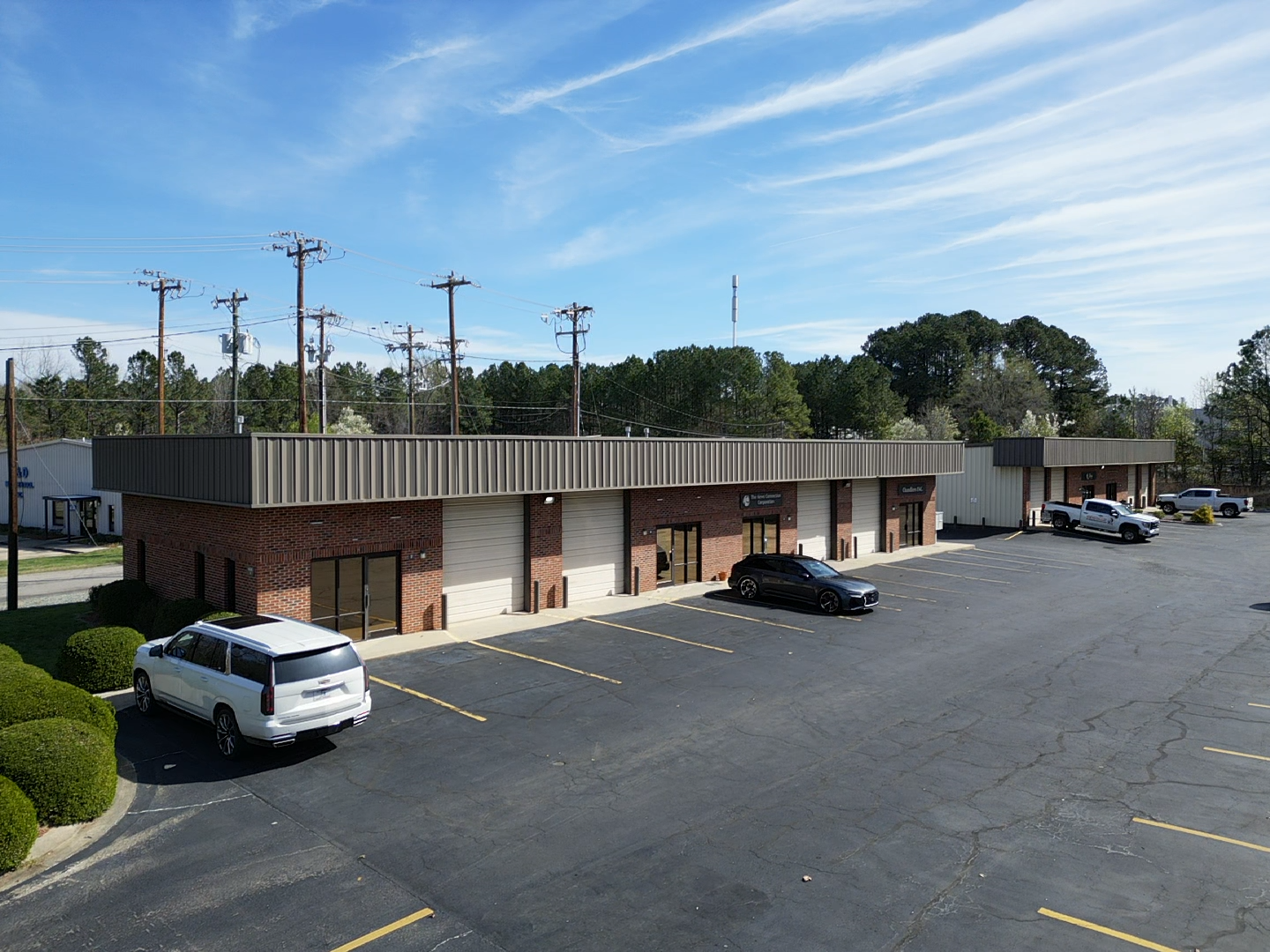
Durham’s industrial market isn’t one monolith. It’s broken into distinct submarkets, each with different pricing, building quality, tenant mix, and growth trajectory. Where you lease makes a real difference in cost, accessibility, and resale value later.
Here’s the breakdown of Durham’s industrial corridors.
South Durham and I-40 Corridor
This is where most of the action is. The I-40 corridor running east-west through South Durham has the newest construction, the highest tenant demand, and the tightest vacancy. Landlords are building and leasing fast.
Pricing: $18 to $22 per square foot base rent, plus $3.50 to $5/SF NNN. Total occupancy is $22 to $27/SF.
Building Quality: New flex space, built in the last 10 to 15 years. Clear heights are 14 to 20 feet. Drive-in doors are standard. Electrical service is modern, 100 to 200 amps typical. HVAC is separate between warehouse and office space.
Tenant Mix: Contractors, light manufacturing, service businesses, small e-commerce operations, logistics. Highly diverse because the buildings are flexible and move-in ready.
Accessibility: I-40 access is the draw. You can reach downtown Raleigh in 20 minutes, Chapel Hill in 25, and RTP in 10. For businesses that move goods or people, South Durham is ideal. Local truck traffic is manageable compared to RTP areas.
Growth Outlook: Strong. The I-40 corridor is where development capital is flowing. Expect continued absorption and moderate rent growth over the next three to five years.
Best For: Contractors who need truck access. E-commerce operations that need to stage inventory near I-40. Service businesses (HVAC, plumbing, electrical) that dispatch from a central location. Anyone who values new, move-in-ready infrastructure and doesn’t mind paying for it.
Downside: Most expensive in Durham. Parking is shared, so work trucks might not always have dedicated spots. Buildings are larger (10,000 to 50,000 SF) so you’re renting from corporate landlords with formal lease processes.
East Durham
Older industrial stock. Buildings were built 15 to 40 years ago. They’re solidly constructed but lack the amenities and finish quality of new flex space. East Durham is experiencing revitalization as contractors and light manufacturers move in, upgrade buildings, and establish roots.
Pricing: $14 to $18 per square foot base rent, plus $2.50 to $4/SF NNN. Total occupancy is $17 to $22/SF. Cheapest in the city.
Building Quality: 12 to 14 feet of clear height typical. Doors are older, sometimes only 9 feet tall, so bigger vehicles might not fit. Electrical is adequate but not modern; many buildings run 100 amps, which limits heavy equipment. HVAC varies; some units are climate controlled, others are not.
Tenant Mix: Contractors, equipment repair, mechanical shops, storage (though less pure storage than 15 years ago). Increasingly, established businesses relocating to save money. Less corporate, more owner-operated.
Accessibility: I-85 access is via secondary roads, so you’re not on an interstate. Durham Freeway (NC 147) is nearby but adds time. For local operations, it’s fine. For businesses moving goods regionally, it’s less convenient than South Durham.
Growth Outlook: Gradual improvement. Building owners are making selective upgrades. Rents will creep up as the neighborhood improves, but it’ll remain the value submarket. Don’t expect rapid gentrification, but don’t expect decline either.
Best For: Established contractors and small manufacturers who’ve been around and have loyal customers. Tenants focused on cost. Anyone who doesn’t need pristine finishes or latest infrastructure. Businesses that are local, not regional.
Downside: Older buildings mean more maintenance and fewer amenities. Landlords are often hands-off, so if something breaks, you might wait. Less professional appearance, which matters if clients visit.
RTP and Meridian Parkway Area
Premium territory. The Research Triangle Park area and Meridian Parkway corridor serve tech companies, corporate offices, and companies that benefit from proximity to major employers. Rents are the highest in the city because location commands premium pricing.
Pricing: $20 to $25 per square foot base rent, plus $4 to $6/SF NNN. Total occupancy is $24 to $31/SF.
Building Quality: Newest construction, finished interiors, modern electrical (200+ amps), 14 to 20 feet of clear height. HVAC zoning is standard. Parking is ample. Buildings are professionally managed.
Tenant Mix: Professional services, light tech assembly, corporate distribution, high-end light manufacturing. Tenants with strong credit and professional operations. Less gritty than East Durham; more corporate.
Accessibility: I-40 access is via secondary roads; RTP-focused businesses use NC 147 (Durham Freeway). For research and corporate traffic, it’s ideal. For freight and general industrial, it’s less convenient.
Growth Outlook: Continued investment. RTP continues to attract companies, and industrial space near RTP benefits from that spillover. Rents will rise, but supply is steadier than South Durham.
Best For: Tech-adjacent companies, corporate light assembly, professional service businesses that want an upscale address. Tenants who need to impress clients or corporate visitors. Businesses with strong financials that can afford premium space.
Downside: Most expensive. Professional landlords mean formal processes and less negotiation room. Parking is shared, so dedicated truck parking isn’t guaranteed. Buildings are larger and less personable.
North Durham and I-85 Corridor
Distribution-focused territory. The I-85 corridor running north-south through North Durham serves logistics, regional distribution, and companies moving goods to Virginia and South Carolina. Buildings here are larger and oriented toward movement of goods rather than service businesses.
Pricing: $16 to $20 per square foot base rent, plus $3 to $4.50/SF NNN. Total occupancy is $19 to $24.50/SF.
Building Quality: 12 to 18 feet of clear height typical. Dock-high and drive-in doors. Electrical service is adequate. Parking is minimal because tenants are focused on trailer and truck staging, not office workers.
Tenant Mix: Regional distribution, logistics, freight brokers, heavy equipment storage. Less diverse than South Durham; these are dedicated industrial users, not contractors or service businesses.
Accessibility: I-85 is the primary draw. North-south movement is fast. East-west movement requires secondary roads. For companies focused on Carolina corridors, I-85 is ideal.
Growth Outlook: Steady. I-85 is stable, and logistics traffic won’t decline. Growth will be slower than South Durham because there’s less speculative building.
Best For: Logistics and distribution companies. Regional freight operations. Businesses moving goods up and down I-85. Companies that don’t need office space or professional finishes.
Downside: Less choice in building types. Most spaces are larger (3,000 to 10,000 SF), so small tenants are less common. Oriented toward logistics, so fewer amenities for operational businesses like contractors.
Comparison Table
| Feature | South Durham | East Durham | RTP | North Durham |
|---|---|---|---|---|
| Base Rent Range | $18-22/SF | $14-18/SF | $20-25/SF | $16-20/SF |
| NNN Range | $3.50-5/SF | $2.50-4/SF | $4-6/SF | $3-4.50/SF |
| Clear Height | 14-20 ft | 12-14 ft | 14-20 ft | 12-18 ft |
| Building Age | 10-15 yrs | 25-40 yrs | 5-10 yrs | 15-30 yrs |
| Drive-In Doors | Standard | Limited | Standard | Dock + Drive-in |
| Primary Highway | I-40 | NC 147 | NC 147 | I-85 |
| Tenant Mix | Diverse | Trades/Mfg | Professional | Logistics |
| Move-In Speed | 2-4 weeks | 4-8 weeks | 2-3 weeks | 3-6 weeks |
| Best For | Contractors, e-com | Cost-focused | Tech, corporate | Distribution |
How to Choose
Start with what your business actually needs. Do you have a work vehicle that needs parking? South Durham or North Durham. Are you cost-conscious and don’t need premium finishes? East Durham. Do you need to impress clients with a professional address? RTP. Do you need interstate access for freight? North Durham.
Next, understand the timeline. South Durham and RTP are tight markets, so if you find the right space, move fast. East Durham has more inventory, so you have more time to negotiate.
Finally, think about growth. Where do you want to be in five years? RTP and South Durham will have higher rents but more tenant demand and better exit options if you need to sublease or move. East Durham is cheaper but has less upside.
Get Flex Space operates in multiple Durham submarkets, so you can evaluate options across neighborhoods and pick the one that fits your needs and budget. See current Durham availability to browse options across locations.
For more detail on what industrial space actually costs and how lease terms work, read our guide to pricing and what to expect across Durham’s market.
Additional Resources
FAQ
Which Durham submarket appreciates fastest? South Durham and RTP both have strong rent growth because they have new inventory and high tenant demand. East Durham appreciates slower but from a lower base. Over 10 years, all markets appreciate, but South Durham has higher upside.
Can I find move-in-ready space in East Durham? Yes, but less reliably. You’ll find some updated buildings, but more often you’ll need 4 to 8 weeks for the landlord to refresh the space. South Durham and RTP move faster.
Is North Durham cheaper than South Durham? Slightly. North Durham runs $16 to $20/SF vs. South Durham at $18 to $22/SF. The difference is location. North Durham is oriented toward I-85 logistics; South Durham is more diverse. Choose based on your actual needs, not just price.
Should I negotiate rent harder in East Durham? Possibly. East Durham has higher vacancy and older buildings, so landlords are more flexible. South Durham and RTP are tighter, so leverage is lower. In any market, longer lease terms get you better pricing.