
Flex Space with Drive-In Door Near Asheville: Who Needs One and Why
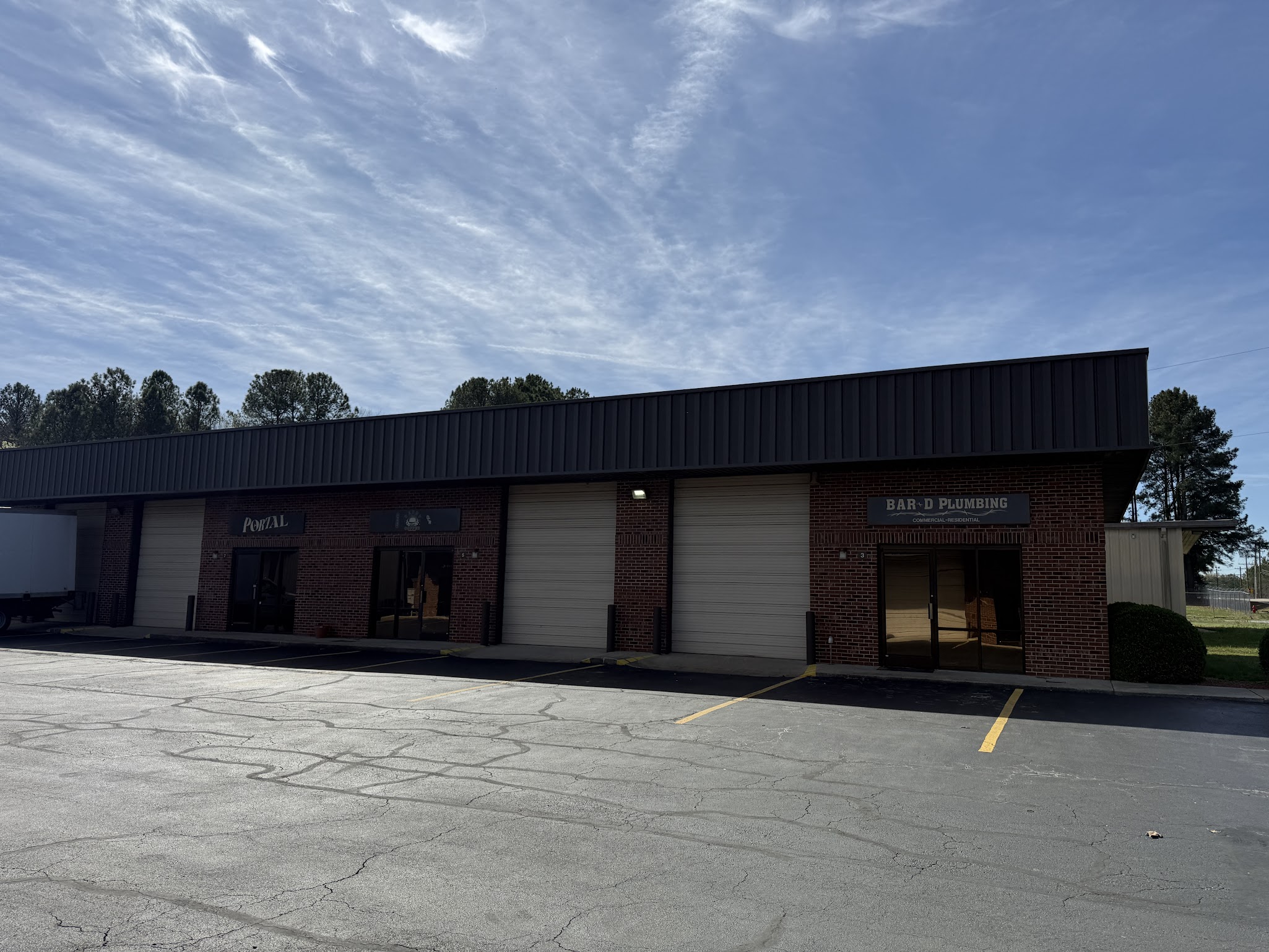
A drive-in door lets you back a truck or trailer into your space and load or unload inside. A standard roll-up door (4 to 6 feet wide) doesn’t. A man door (3x7 feet) definitely doesn’t. If you’re moving equipment, loading pallets, or staging materials daily, a drive-in door isn’t a luxury. It’s operational necessity.
Asheville’s mountain roads and steep grades make this more important than it sounds. A drive-in door on flat ground is one thing. A drive-in door on a 6 percent grade with tight parking apron is another.
Who Actually Needs a Drive-In Door
Contractors loading trucks: You arrive at 6 AM with a crew van. You load your truck with tools, generator, materials, and equipment. You need a door you can open fully and move things through while staying in the parking area. A man door is pain. A roll-up door is frustrating. A drive-in door is normal.
Equipment distributors and rental: You’re loading and unloading equipment regularly. Compressors, generators, power tools, pumps, dehumidifiers (big post-Helene demand in Asheville). Most of this doesn’t fit through a man door. Drive-in is required.
Palletized goods: Any business moving inventory on pallets needs drive-in or at least roll-up door. Forklifts or pallet jacks need 8 to 10 feet of clear opening. A man door is 3 feet.
Assembly or manufacturing: Metal fab, woodworking, appliance repair. If you’re moving finished goods or raw materials in and out regularly, drive-in matters.
Food production and wholesale: Specialty food producers serving Asheville’s hospitality and tourism market often palletize products. Drive-in door is standard.
Some storage and service operations: If you’re moving equipment, tools, or supplies daily, drive-in simplifies life.
Who Doesn’t Actually Need One
Solo service business (consulting, bookkeeping, design) without physical goods: man door is fine.
Office-based operations (accounting firm, insurance agent) without inventory: man door.
Business storing a few tools and materials that fits in a truck: man door is adequate.
The size of your operation and movement frequency matter more than the business type.
Drive-In Door Cost Impact
A flex space in Fletcher with drive-in door rents for roughly $0.50 to $1.00 more per square foot annually than the same unit with only a man door.
On 2,000 SF, that’s $1,000 to $2,000 per year. Over a 3 year lease, $3,000 to $6,000 in total rent premium.
For a contractor or distributor moving equipment daily, that cost is real but usually justified. You save time, reduce wear and tear on equipment, and run more efficiently.
For occasional loading, skip it and accept the man door.
Standard Drive-In Door Sizes
10x10 feet: Standard overhead rollup. Most common. Opens wide enough for a van or small truck.
12x12 feet: Slightly larger. Accommodates larger trucks and trailers at shallow angles.
14x14 feet or larger: High-traffic facilities. Semi-trailers, large forklifts, heavy equipment. Asheville doesn’t typically have this size.
Most Asheville flex space defaults to 10x10. That’s large enough for contractor vans, service trucks, and most equipment movements. If you need 12x12, confirm available size before you sign.
Door condition matters. Older doors are slow, loud, and unreliable. You’re hitting the button at 5:30 AM and hoping it opens. Newer doors are quiet and fast.
Asheville-Specific Considerations: Grade and Apron
Asheville sits in mountains. Grades (slopes) are common. A building on a hill with a steep apron (the concrete pad outside the door) creates loading challenges.
A 4 to 6 percent grade is okay for standard loading. You back up the slope, load, go. A 8 to 10 percent grade is harder. You’re fighting gravity and parking angle.
Check the apron size. Ideal is 20 feet of flat concrete in front of the door. You can back a truck straight in and have room for crew to move around. If the apron is 12 feet or less, you’re squeezed.
Winter ice adds another layer. A steep apron ices over; your truck slides. A gentle grade is better for December and January.
Ask the landlord about grade and apron size before you sign. Walk the space in dry conditions but imagine it in winter. If there’s a steep slope or tight apron, that drive-in door becomes less valuable.
Comparing Door Options
| Door Type | Cost | Best For | Limitations |
|---|---|---|---|
| Man Door (3x7) | Base cost | Occasional foot traffic | No equipment movement |
| Roll-Up (4-6 ft) | $0.25-0.50/SF/yr more | Occasional equipment | Limited width, slow |
| Drive-In (10-10 ft) | $0.50-1.00/SF/yr more | Daily loading/unloading | Requires flat apron |
| Drive-In (12x12) | $1.00-1.50/SF/yr more | Heavy traffic, trailers | Cost and space intensive |
For most Asheville contractors and small distributors, 10x10 drive-in is the sweet spot. Size is adequate, cost is moderate, installation is standard.
Electrical and Drive-In
If you’re running powered equipment through a drive-in door (forklift, pallet jack), confirm electrical location. The door motor needs power. Any equipment inside needs proximity to outlets or a run of extension cord.
Ask: where’s the closest 110 outlet to the door? Where’s the closest 220 outlet (if you need it)? If outlets are 50 feet away, that’s a headache.
Get Flex Space flex units in Fletcher have 100 to 200 amp electrical service distributed in the space. Ask the landlord about outlet placement relative to the drive-in door.
Loading Dock vs. Drive-In
A loading dock is a raised platform with a truck-level apron, sometimes with a dock door seal. You back a truck flush to the dock and load at truck bed height.
Loading docks are ideal for high-volume operations. Most small flex space in Asheville doesn’t have them. Drive-in door with ground-level loading is standard. You park the truck at the door and load normally.
Don’t expect a dock in Asheville unless you’re in a large warehouse facility (usually 10,000 SF or more).
Clear Height Interactions
Clear height and drive-in door work together. A 20 foot clear height with a drive-in door gives you maximum flexibility. You can load tall items, stack high, move equipment without banging.
A 14 foot clear height with a drive-in door is limiting. You can load a truck, but you can’t store items higher than about 10 feet (to leave room to move around safely).
If you’re choosing between two flex units and one has a drive-in and lower clear height, and the other has higher clear height but no drive-in, think about your actual usage. Loading equipment daily? Drive-in matters more. Storing static inventory? Clear height matters more.
Get Flex Space Fletcher units have 14 to 20 feet clear height with drive-in doors. You get both advantages.
Seasonal Considerations
Asheville winters are mild but wet and icy. A drive-in door helps because you can load inside, protected from weather. A man door means your crew is out in rain or ice getting tools.
Summer storms can be intense. A fully enclosed loading area (drive-in door) protects goods from water damage.
Spring and fall are pleasant. Summer is humid. The enclosed space helps protect equipment from humidity and temperature swings.
Negotiating for Drive-In
If a building doesn’t have a drive-in door and you need one, negotiate adding it as part of your lease. Cost is $3,000 to $6,000 for a standard 10x10 rollup installation.
Propose: “I’ll sign a 3 year lease if you install a drive-in door.” Many landlords will do it to lock in a tenant.
Alternatively, ask if you can add one and deduct installation cost from rent. Some leases allow tenant improvements; some don’t. Ask before you sign.
Related Reading
For more details on what a drive-in door is and what it costs in different markets, read warehouse drive-in door guide. For information about other important space features, check clear height explained.
See current flex space availability in Fletcher and Arden. Get Flex Space operates units with drive-in doors and high clear height.
Additional Resources
FAQ
Q: Do I really need a drive-in door or can I make a roll-up work? A: If you’re loading a truck or moving equipment through the door more than once or twice per week, drive-in is worth it. If it’s occasional (once a month), roll-up door with some effort is acceptable. If it’s daily (or multiple times daily), drive-in is non-negotiable.
Q: How much does installing a drive-in door cost? A: A standard 10x10 rollup door and installation run $3,000 to $6,000. If the building doesn’t have electrical run to the location, add another $500 to $1,500. Talk to the landlord about cost before you commit to adding one yourself.
Q: Does grade and apron really matter that much? A: Yes, in Asheville especially. A steep grade (8 percent or more) makes loading harder and adds winter ice risk. Check the apron slope when you visit. If it’s noticeably steep, ask about it and factor it into your decision. A flat apron is worth negotiating for.